In this article, we look at five steps that make procurement’s impact on working capital visible and turn it into a strategic advantage.
Procurement is undergoing a fundamental shift. For years, its performance was measured by one thing: finding the lowest price. Today, that’s no longer enough. Procurement leaders who manage supplier processes through a financial lens, monitor the health of their supplier ecosystem, and align with CFO metrics now hold real strategic weight within the organisation.
Yet most of a company’s cash potential is hidden in everyday procurement decisions. Supplier selection, contract terms, payment structures, and inventory policies directly shape how cash moves through the business.
Ardent Partners CPO Rising 2025 study shows that supplier risk management and supply continuity are now top priorities for procurement leaders.
In this article, we look at five steps that make procurement’s impact on working capital visible and turn it into a strategic advantage.
Ozan Vakar Alternative : Can Procurement Deliver Results Without Financing Support?
The PwC Working Capital Study 25/26, encompassing data from over 17,000 companies, highlights a critical finding.
While large corporations gain short-term liquidity advantages by unilaterally imposing payment terms, this financing burden on suppliers systematically increases supply chain fragility.
Companies that act with a simplistic reflex to extend terms rather than manage them effectively may see apparent cash gains, yet they often compromise on supplier quality, delivery reliability, and long-term price performance.
The pivotal question now facing procurement teams is this: Can I establish a model that maintains the financial equilibrium of both parties?
Your company’s working capital strategy is directly tied to the financial resilience of your suppliers. The supply chain isn’t just a flow of goods; it’s also the management of cash moving between parties. If a critical supplier runs into financial trouble, your operational continuity and your working capital are at risk.
Measuring supplier performance based only on quality and delivery speed is no longer enough. A supplier under cash pressure may cut corners on production or delay shipments.
In many cases, this forces buyers to hold more safety stock, tying up additional capital.
In more severe scenarios, a supplier under excessive financial pressure may exit the market entirely. The cumulative gains from years of hard-won price discounts can be wiped out instantly by the sheer cost of rebuilding the supply chain.
This risk often remains invisible because many procurement teams have yet to measure supplier performance against the dimension of financial resilience.
How much visibility do you currently have into the financial fragility of your supplier portfolio? Identifying which suppliers are experiencing cash crunches allows you to map your risks long before stepping to the negotiation table.
Ultimately, this insight translates directly into increased bargaining power and strategic leverage.
One of the most common reservations in procurement regarding supply chain finance (SCF) is how a financialy stronger supplier might affect bargaining power. While this perspective is not entirely unfounded, it often overlooks the long-term strategic benefits.
When you sit at the negotiation table with a financially strained supplier, you face two primary options. You can extend payment terms, which will lead the supplier to eventually price that cost in. Alternatively, you can bring the supplier into an SCF program.
In this scenario, the supplier gains access to significantly lower-cost capital based on your company’s stronger credit profile.
Here is what the supplier can bring to the table in the second scenario:

Another critical dimension of this model for the Procurement Director is this: while Finance may spearhead the initiative, the operational success of a supply chain finance program is ultimately defined by the ownership of procurement teams. When Procurement takes the lead in requesting the program, steering supplier selection, and managing the relationship, the resulting success is not just a win for Finance; it is a major achievement credited directly to the procurement department.
A Procurement Director who champions SCF is no longer seen merely as a cost-cutter. Instead, they are repositioned as a strategic power player who fortifies the supplier ecosystem, mitigates operational risk, and delivers a direct contribution to working capital.
This shift in status directly elevates their corporate standing and gives them significantly more weight during critical budget discussions.
In many organisations, procurement and finance teams strive for the same ultimate goals, yet often operate using entirely different data sets. While a procurement specialist is typically measured by unit price reductions, a finance manager prioritises the cash conversion cycle and DPO targets.
The key to optimising working capital lies in ensuring both departments align on the same data and metrics. When variables such as unit price discounts, payment terms, and early payment discount yields are integrated into a single dashboard alongside Days Payable Outstanding and cash flow projections, procurement decisions can finally be evaluated through the combined lenses of cost, cash, and risk.
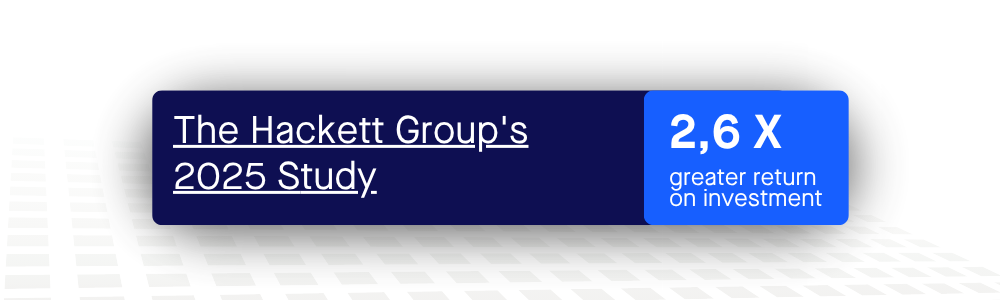
The Hackett Group’s 2025 research highlights that procurement organisations operating in strategic alignment with the finance function generate a significantly higher return on investment. The hallmark of these high-performing teams is their ability to look beyond simple pricing and treat Days Payable Outstanding improvements alongside supplier ecosystem risks as core shared agenda items.
However, a shared language is ineffective if it remains confined to meeting rooms.
It must be hardwired into the organisation’s technological infrastructure. Financial scoring mechanisms embedded within digital approval workflows can automatically calculate the cash efficiency of any proposed deal.
This integration ensures that while the procurement team hits its savings targets, the finance team remains confident that cash flow planning will stay on track without disruption.
Payment policies are often perceived as immutable mandates within organisations. Standard payment terms are frequently applied uniformly across the entire supplier base. However, payment policy is actually one of the most flexible and powerful levers available for actively managing working capital.
Procurement decisions effectively set the starting line for the cash conversion cycle. If a minor discount on unit price triggers a significantly earlier cash outflow, and the company’s cost of borrowing exceeds the value of that discount, what appears as a profit on paper can quickly turn into a financial loss. At the moment of decision, procurement directors must have clear answers to the following questions:
Supply chain finance empowers suppliers to access more affordable liquidity by leveraging the buyer’s superior credit standing. Through financing models integrated directly into the procurement workflow, suppliers can receive early payment without waiting for the invoice maturity date, while the buying organisation simultaneously upholds its own payment schedule and Days Payable Outstanding targets.
The ability to drive down costs through dynamic discounting models during periods of cash surplus, while utilising supply chain finance tools to provide flexibility in payment terms during times of cash pressure, is rapidly becoming an indispensable procurement competency.
The impact of the procurement department on working capital is only fully realised when processes become truly digital and integrated. Once this integration is achieved, procurement shifts from being a budget-spending unit to a strategic hub that safeguards the health of the balance sheet.
In this transformation, digitalisation is not merely a tool but functions as a strategic decision-support system. Financial structures embedded within operations provide the Procurement Director with tangible capabilities:
True success begins when a procurement professional looks at their screen and sees more than just the technical specifications of a product. It starts when they understand how the chosen procurement method will directly impact the company’s net working capital requirements.
By generating cash from within their own operational processes, a Procurement Director gains the freedom to drive growth decisions with far greater independence.
A Procurement Director who proactively manages supplier risk, makes the impact on working capital visible, and masters the language of finance no longer holds a defensive position. Instead, they secure their seat at the table as a true strategic partner to the CFO.
Working capital management determines not only the current health of a company but also its future competitive edge.
When the outdated habit of viewing procurement as a mere cost centre is abandoned, every contract and every invoice transforms into a powerful financing instrument. Every single day gained in the cash cycle through strategic procurement decisions directly boosts the investment capacity of the entire enterprise.
The success of this transformation is effectively shaped within the procurement teams themselves. At Faturalab, we are here to help you integrate supply chain finance into your procurement processes, enhance the financial resilience of your supplier ecosystem, and strengthen your working capital from the heart of your operations.
Let us map the financial fragility of your supplier portfolio together to identify which suppliers are at risk and how this impacts your organisation.
Contact us today to meet with our team of experts.



